
Naturopathic Services
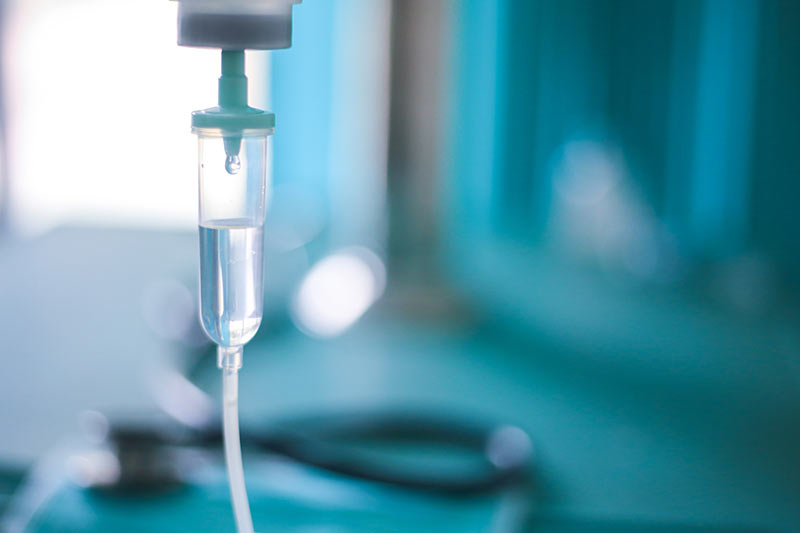
IV Therapy
What is IV therapy?
Intravenous nutrient therapy is the infusion of vitamins, minerals, amino acids and other nutrients directly into the bloodstream, helping to correct low nutrient levels and improve the overall state of your health. IV’s are used for a variety of health concerns and can be utilized by nearly every person in any state of health.
By infusing the nutrients directly into circulation, they bypass the gut and are delivered directly to your cells. For people with conditions like Crohn’s, Colitis, SIBO, IBS or any other GI issue, this can be a very beneficial treatment as nutrient absorption may be sub-optimal for those patients.
Each IV is tailored to your individual needs which means that some individuals will get more or less of a particular vitamin and some individuals will receive additional nutrients to support their specific health needs. Typical ingredients can include magnesium, calcium, B12, a B-vitamin complex, and vitamin C but may also include various amino acids, glutathione, and/or other minerals and vitamins not mentioned above. Again, I will highlight that each IV will be individualized for each patient and each visit as patients progress on their healing journey.
What is the process like?
For first appointments please call or email the clinic to book and indicate it is for IV therapy. Our staff will provide you with relevant information, booking and paperwork.
Your first session includes an appointment with one of our Naturopathic Doctors to review your health concerns and to ensure you are a good candidate for IV therapy.
If you have any current bloodwork, please bring it with you for the appointment.
Once the IV is set up, you just sit back and relax. We recommend bringing a book, a tablet to watch a show or just closing your eyes and taking a rest. Treatments last anywhere from 45 minutes to 2 hours.
What are common applications for IV’s therapy?
Fatigue
Anxiety
Depression
Dehydration
Acute asthma attacks
Migraines
Chronic fatigue syndrome
Fibromyalgia
Acute muscle spasm
Upper respiratory tract infections
Chronic sinusitis
Seasonal allergies and rhinitis
Cardiovascular disease
To enhance athletic performance
High dose Vitamin C is a commonly used adjunctive treatment in many forms of cancer. It has been found to support the removal of cancer cells while sparing healthy cells. In many patients they also find it improves their quality of life when undergoing conventional treatment.
What’s the difference between an IM (intramuscular injection) and an IV?
IM injections are 1.5ml – 3.0ml injections that go directly into the muscle. These are done in the shoulder or glute providing a quick and easy treatment.
IM injections offered at Backfit can be used for increasing B-12 &/or vitamin D individually. Additionally, we can combine various nutrients to aid in the support of stress management, metabolic support, energy production, and focus or concentration.
What should I expect with IV therapy?
IV’s are administered directly into the veins of the arm using a smaller gauge needle for increased comfort. Once the line is set up and the flow is started you may feel a cool sensation running up your arm which is normal. Additionally, some patients may experience a warming sensation throughout their bodies as the IV infuses.
For a push IV your doctor will slowly push the solution over a period of 5-20 minutes depending on tolerance.
For a drip IV once this has been set up and flowing it’s your time to relax. Whatever you need for your comfort whether that is reading a book, catching up on a tv show, or simply relaxing, it’s up to you! Once the IV is nearing its end the practitioner will remove the setup, clean the site, and make sure you’re ready for your day.
These procedures always require a great deal of communication so if you are feeling pain or generally unwell always inform your health care practitioner as soon as possible.
How can I prepare?
Please be well hydrated and eat a meal 1-2 hours before your IV.
How should I be feeling following IV therapy?
This can differ greatly depending on the formula used for each person but in general it is not uncommon for patients to feel calm, relaxed or instantly energized. It really depends on the individual’s treatment goals. Although uncommon, in some patients a post IV reaction can occur which includes symptoms of a headache, muscle pain, and fatigue the night following an IV therapy. This reaction is typically followed by a period of increased energy, mood, or mental clarity. This is similar to a detox reaction because with IV therapy the high concentrations of nutrients cause cells to up-regulate sluggish systems that have been backlogged. This creates a rapid detox reaction. These are most likely to occur in the first few IV sessions.
Again, if at any point you experience these symptoms or are concerned, please reach out to your practitioner for proper advice.
How many IV’s will I need?
There’s no straight-forward answer but usually doing one IV every 1-2 weeks for a total of 3-4 IV treatments will give you a good idea about what IV therapy can do for you.
Acupuncture and IMS
What is acupuncture?
Acupuncture is the insertion of fine needles into specific points of the body to achieve a therapeutic effect. The needles affect the movement of an energy source called “Qi” which is stored along channels throughout the body. When Qi becomes imbalanced, stagnant or depleted, people’s health can decline. Acupuncture aims to restore the balance and flow of Qi thereby improving the patient’s health.
What is the process like?
In your initial visit we will go through a full history and obtain a thorough understanding of your health concerns. Your tongue and pulse will be assessed to help determine appropriate acupuncture points for your treatment. After the assessment, an initial treatment can often be provided.
For follow-up visits, there will be a quick check-in but the focus of these follow-ups will be spent on administering subsequent acupuncture or IMS treatments.
Treatments are typically 30 minutes in length.
What can acupuncture treat?
Acupuncture has been acknowledged to be effective in treating a variety of health concerns including gynecological, cardiovascular, respiratory, pain, mental health, gastrointestinal, neurological and even symptom management from the adverse reactions from chemotherapy and radiation.
Does acupuncture hurt?
There may be a slight pinch when the needle is inserted but it often recedes within a few seconds. If there is lasting pain, please tell the doctor so he can make adjustments. Most patients find acupuncture to be very relaxing and people often fall asleep on the table.
How many acupuncture sessions will I need?
It really depends on the person, but often between 4-8 acupuncture sessions will show benefits. Often, people will decrease their appointments over time and come in for monthly ‘tune-ups’ to keep things balanced.
What is IMS?
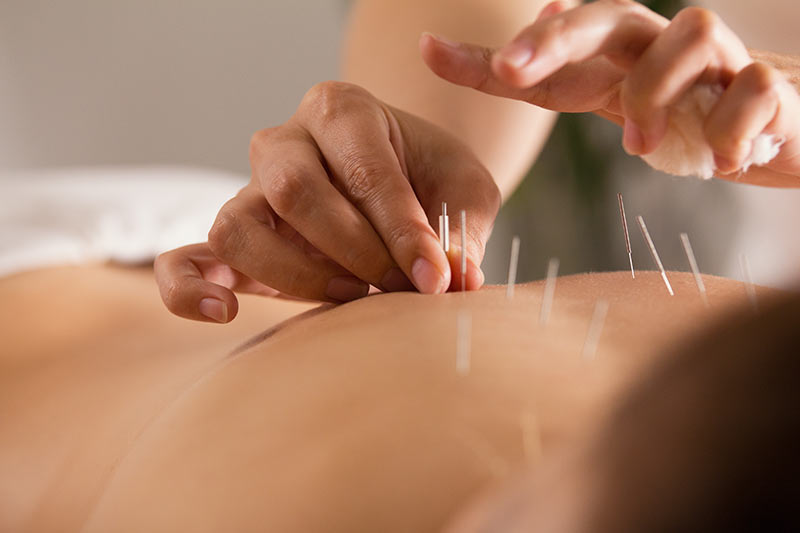
Intramuscular stimulation involves the insertion of acupuncture type needles into shortened/contracted muscle that is causing pain and biomechanics imbalances. With IMS we target what is called a neuromuscular junction that will first stimulate the muscle to twitch or grab and then relax and return to its normal state.
The muscles are treated solely with mechanical insertion of the needles; there is no electric stimulus provided. This therapy helps to get a tight muscle to relax at the source of the “knot”. Many people ask if they can simply stretch this tension away; however, it’s like trying to stretch out a rope with a knot in it without untangling the knot. The rope may lengthen and the knot may decrease but the pain producing the knot still persists. Stretching may provide temporary relief, but IMS removes the knot all together.
What is the process like?
There must first be a full work-up to determine the root of your problem. This will likely involve a short history gathering followed by orthopaedic tests and palpating the muscles involved.
Once the problem area has been determined, needles are inserted into the area and a twitch is often provoked. The number of needles depends on the patient’s concern and tolerance.
Typically, we start with a less aggressive initial treatment to see how each individual responds to the treatment.
What can IMS treat?
A wide range of musculoskeletal problems can be successfully treated with IMS including the following:
Achilles tendonitis
Carpal tunnel syndrome
Chronic tendonitis
Chronic pain
Frozen shoulder
Golfers elbow
Headaches
IT band syndrome
Jaw and TMJ pain
Low back pain
Neck pain
Knee pain
Piriformis syndrome
Plantar fasciitis
Repetitive strain injuries
Sciatica
Shin splints
Shoulder pain
Sports injuries
Tennis elbow
Trigger finger
Does IMS hurt?
Most patients find IMS to be uncomfortable during the procedure and the pain or discomfort will often persist for 24-48 hours. This pain often resembles the discomfort felt after an intense workout. It can be quite a surprise for some patients how strong a small needle can feel. To help with the pain it is recommended to use heat by taking a hot bath or shower, massaging the area and doing some light stretching, or just ‘normal physical activity’ to encourage blood flow to the area. Applying ice or a cold pack before bed may be advisable as well.
How many IMS appointments will I need?
It really depends on the type of injury (chronic, acute, severe, minor…) and the patient (age, health status) but typically patients find relief after 4-6 sessions and significant relief after 8-10. There are some patients that notice immediate relief after just one treatment.
What’s the difference between acupuncture and IMS?
Acupuncture focuses on putting needles into specific locations to help balance the flow of Qi in the body and it has more of an energetic focus. IMS focuses very specifically on anatomy, physiology and function of muscles, trigger points, and nerves in the area to decrease pain and increase function more directly.
Naturopathic Medicine
Comprehensive Lab Tests (hormones, food sensitivities, genetic, SIBO, Digestive microbiome, nutrients, mycotoxins).
Naturopathic Doctors can order through LifeLabs in British Columbia, but we also have access to private labs that can go more in depth with their testing.
Lab testing can help solve stubborn problems like hormone imbalances, digestive disorders, chronic pain, inflammation, brain fog and much more.
Full physical screening exams
Naturopathic Doctors are trained to take patients through full physical exams, something that should be done for everyone! From top to bottom – neurological, cardiovascular, respiratory, musculoskeletal and more are all tested.
Platelet-Rich Plasma
What is PRP?
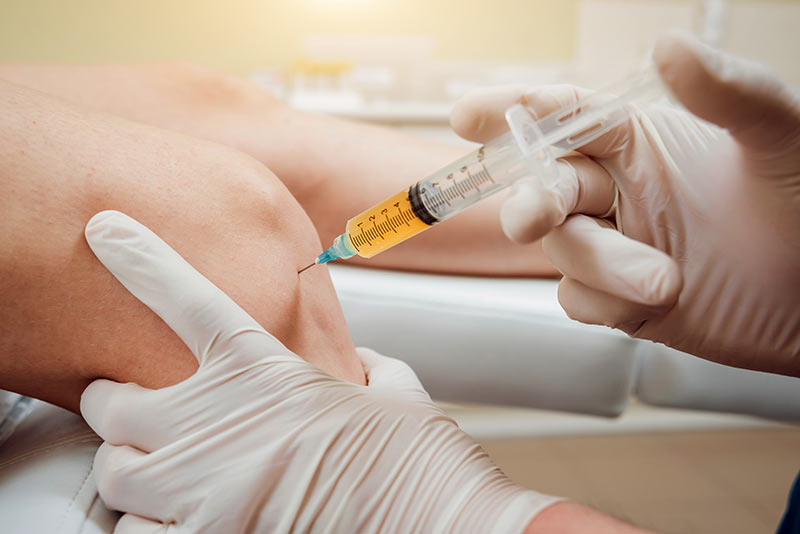
Platelet-rich Plasma (PRP) is a regenerative injection therapy that is utilized for a wide range of musculoskeletal injuries and pain. It concentrates platelets, growth factors, and stem cells derived from your own blood to help the body’s innate healing capabilities.
We take this concentrated mixture of healing factors injected into tendons, ligaments, and joints to begin repairing the damaged area. It also improves the signaling and recruitment of mesenchymal stem cells to facilitate further repair. It works excellently in tissues that have poor vasculature by nature that typically take much longer because PRP circumvents the issue of blood supply and directly places these healing factors in the target tissue to improve healing. It is a regenerative biologic therapy created by you, for you.
What is the process like?
Before any blood is taken, the patient is assessed. We go through the history of your problem and health, do a full orthopedic exam and special tests to identify the problem. We do this to ensure you’re a good candidate and be as specific as possible with our injection. The process begins with collecting 40-80cc of blood from the patient. It is then spun down in a specialized centrifuge to concentrate the platelets, stem cells, and growth factors into a small amount of plasma (5-10cc). This solution is then injected into the area of damage to begin tissue regeneration and proliferation. This whole process takes between 60-90 minutes
What can it treat?
PRP is used for a variety of acute and chronic joint, tendon and ligament injuries. Some of the more common problems include:
- Tennis and golfer elbow
- Plantar fasciitis
- Chronic ankle sprains (inversions and eversions)
- Achilles tendonitis
- Rotator cuff tears
- Headaches
- Runner and Jumper’s Knee
- Shoulder dislocations and instability
- Meniscal tears
- Osteoarthritis
- Chronic low back and neck pain
What is the difference between PRP and prolotherapy?
Prolotherapy and PRP can be used to treat the same issues, but PRP tends to require fewer injections and is often indicated when prolotherapy does not seem to be sufficient or its effects have plateaued. Certain patients that may have a more difficult time healing are likely better suited for PRP. PRP may also be indicated when treating tissues with decreased blood supply as it does not rely on adequate circulation to recruit platelets to initiate healing.
What are the risks and side-effects?
The injection can be tender or painful (we are injecting into a damaged area after all) and there may be swelling, bruising, and discomfort for 24-72 hours after the treatment. As with any medical procedure that punctures the skin there is risk of infection, but the site is cleaned and sterilized before injection. Our doctor will review a complete list of risks and address your concerns prior to any injection treatments.
How many injections will I need?
Each person and condition is different, but most patients require 2-4 sets of injections at 4-8 week intervals. Patients may notice benefits after one treatment, and as the body does take time to heal maximal benefit may not be noticed for 6-12 months.
How can I prepare for the injection? What can I do after?
The healthier you are before and after the treatment the better the body will respond. This means trying to optimize diet, exercise, nutritional supplementation, sleep/rest and hydration while decreasing harmful activities like smoking, alcohol, and stressful situations. During the intake we will discuss important factors of health and make an individualized plan for each patient.
It may also be recommended to stop use of corticosteroids, blood thinners, and anti-inflammatory medications (Ibuprofen, Aspirin, Advil) for one week before the procedure. If you are on these mediations, the doctor will discuss with you on an individual basis if you should be pausing these and how to safely proceed. Do not discontinue medical therapy without the advice of a trained medical professional.
Prolotherapy
What is prolotherapy?
Prolotherapy (Proliferative Therapy) is a recognized orthopedic procedure that stimulates the body’s healing processes to strengthen and repair injured and painful joints and connective tissue. It is based on the fact that when ligaments or tendons (connective tissue) are stretched or torn, the joint they are holding destabilizes and can become painful. A major issue is that ligaments and tendons have poor blood supply causing their healing time to be lengthy and possibly incomplete.
Prolotherapy, with its unique ability to directly address the cause of the instability, can repair the weakened sites and produce new collagen tissue resulting in permanent stabilization of the joint. Once the joint is stabilized the pain usually resolves.
Prolotherapy injections contain natural substances that stimulate local and precise inflammation followed by a healing response, as well as local anesthetic agents to help with the pain of the injection. Traditional formulas include ingredients such as dextrose, saline, and procaine or lidocaine..
What is the process like?
First a patient goes through a thorough assessment, history of the issue, factors of health, and orthopedic tests, to determine if they’re a good candidate for prolotherapy and exactly what and where the problem is. Once the location (or locations) for injection is determined, the patient is prepped and the area is sterilized.
There may be some acupuncture and IMS done prior to injection to help release tight muscles and decrease the pain. Syringes of prolotherapy solution are then prepped and the injections are performed. The first visit requires approximately 45 minutes and follow-up visits are 30 minutes..
What can it treat?
Prolotherapy is used for a variety of acute and chronic joint, tendon and ligament injuries. Some of the more common problems include:
- Tennis and golfer elbow
- Plantar fasciitis
- Chronic ankle sprains (inversions and eversions)
- Achilles tendonitis
- Rotator cuff tears
- Headaches
- Runner and Jumper’s Knee
- Shoulder dislocations and instability
- Meniscal tears
- Osteoarthritis
- Chronic low back and neck pain
What is the difference between prolotherapy and PRP?
Prolotherapy and PRP can be used to treat the same issues, but PRP tends to require fewer injections and is often indicated when prolotherapy does not seem to be sufficient or its effects have plateaued. Certain patients that may have a more difficult time healing are likely better suited for PRP.
What are the risks and side effects?
The injection can be tender or painful (we are injecting into a damaged area after all) and there may be swelling, bruising and discomfort for 48-72 hours after the treatment. As with any medical procedure that punctures the skin, there is risk of infection, but the site is cleaned and sterilized before injection. The doctor will review a complete list of risks and address your concerns prior to any injection treatments.
How many injections will I need?
Each person and condition is different but the majority of patients require 2-6 sets of injections at 2-4 week intervals. Patients may notice benefit after one treatment, and as the body does take time to heal, maximal benefit may not be noticed for 6-12 months.
How can I prepare for the injection? What can I do after?
The healthier you are before and after the treatment, the better the body will respond. This means trying to optimize diet, exercise, nutritional supplementation, sleep/rest and hydration while decreasing harmful activities like smoking, alcohol, and stressful situations.
During the intake we will discuss important factors of health and make an individualized plan for each patient. Additionally, prolotherapy works by creating localized inflammation which is why it is important to discontinue the use of NSAIDs prior to and following treatments with prolotherapy as they can decrease the inflammatory pathway we are trying to stimulate. These include medications like motrin, advil, ibuprofen, aleve, naproxen, Celebrex, and other similar pills. Also included would be full-strength Aspirin and Robaxisol, although baby Aspirin taken for the prevention of heart disease can be taken.
Additionally, this therapy uses your body’s healing mechanism which means that if your vitality or ability to heal is impaired due to other systemic ailments we may need to work on these areas prior to injecting to ensure you get the maximal benefit out of prolotherapy.
Nutrition, Supplements, and Pharmaceutical Medications
The core foundations for long lasting change are based on changing our everyday lifestyle to those that promote healing. These often include movement-based activities, breathing, sleep aid, stress management, and mental and emotional support. Additionally, our diets have one of the greatest influences from the outside world to our cells. This is why it is so important to consume quality foods. Food is the oldest form of medicine which is why diet and lifestyle counselling are the foundation to successful treatment.
Professional Grade Supplements
We can review the supplement regimen you are currently on, get rid of what’s unnecessary and come up with a targeted plan containing high-quality supplements that will help you feel your best. Naturopathic Doctors have access to supplements that you can’t get in health food stores and are of superior quality.
Pharmaceutical Medications
Naturopathic Doctors can write and renew prescriptions for patients here in BC. This means that ND’s can prescribe a wide-range of medications, including bio-identical hormones.
For more information, please reach out to us and we’d be happy to set up an appointment for you..